Google Expands Gemini 3 Leadership and Moves Toward Ambient...
Jan 15, 2026

Global discussions are intensifying about how to integrate artificial intelligence (AI) into our lives and work environments without eroding fundamental human values or losing control over the trajectory of technological development.
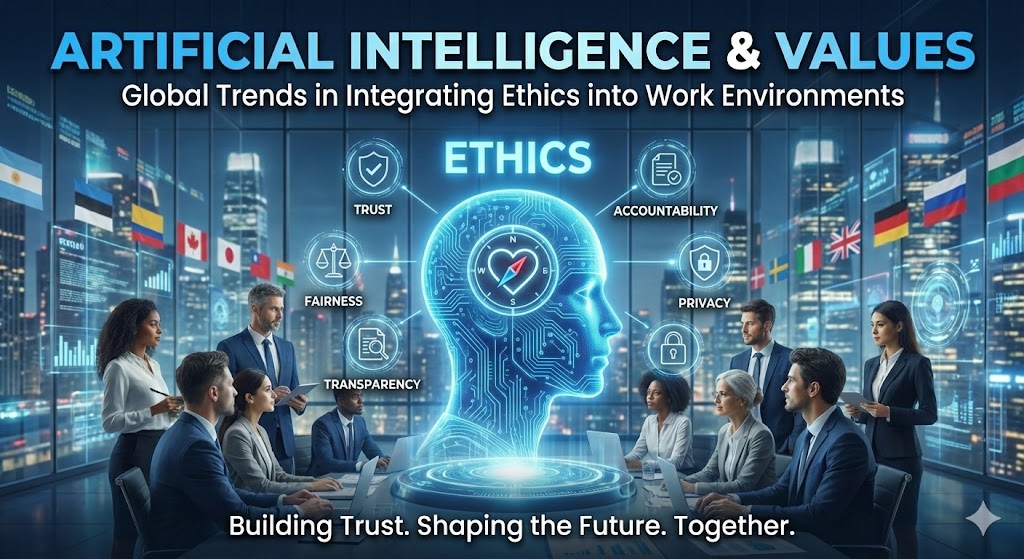
How Organizations Strive to Balance Automation and Humanity in the Age of Artificial Intelligence
Global discussions are intensifying about how to integrate artificial intelligence (AI) into our lives and work environments without eroding fundamental human values or losing control over the trajectory of technological development.
A new editorial [1] explores this critical challenge, asserting that balancing technology and values is key to a sustainable future. This balance is not merely a philosophical issue, but a practical necessity to ensure that AI serves humanity rather than completely replacing it.
AI: A Tool for Empowering Humanity, Not Replacing It
In contrast, experts emphasize that the solution lies in adopting the concept of “Human-Centric AI,” where intelligent systems are designed to enhance human capabilities, not replace them.
Global summits, such as the AI for Good Summit [2], also call for ethical governance that ensures respect for human values and fundamental freedoms.
For entrepreneurs and training managers, this discussion presents a real opportunity to re-evaluate training and development strategies. It is no longer simply about teaching how to use tools, but rather about teaching how to think critically in the age of automation.
At STEMpire, we focus on building an effective bridge between technological innovation and human values through our tailored training programs.
STEMpire Recommendations for Organizations
Enhance employees' empathy, creativity, and critical thinking skills, which AI cannot fully replicate.
Ensure continuous human oversight of sensitive decisions made by AI systems, particularly in HR and finance.
Equip teams to evaluate intelligent systems from an ethical perspective, ensuring they do not cause bias or harm.
Offer workshops on managing interactions with AI technologies to avoid over-reliance and maintain psychological and social balance.
For inquiries on how to integrate AI in a way that preserves human values within your organization, contact STEMpire.