Google Expands Gemini 3 Leadership and Moves Toward Ambient...
Jan 15, 2026

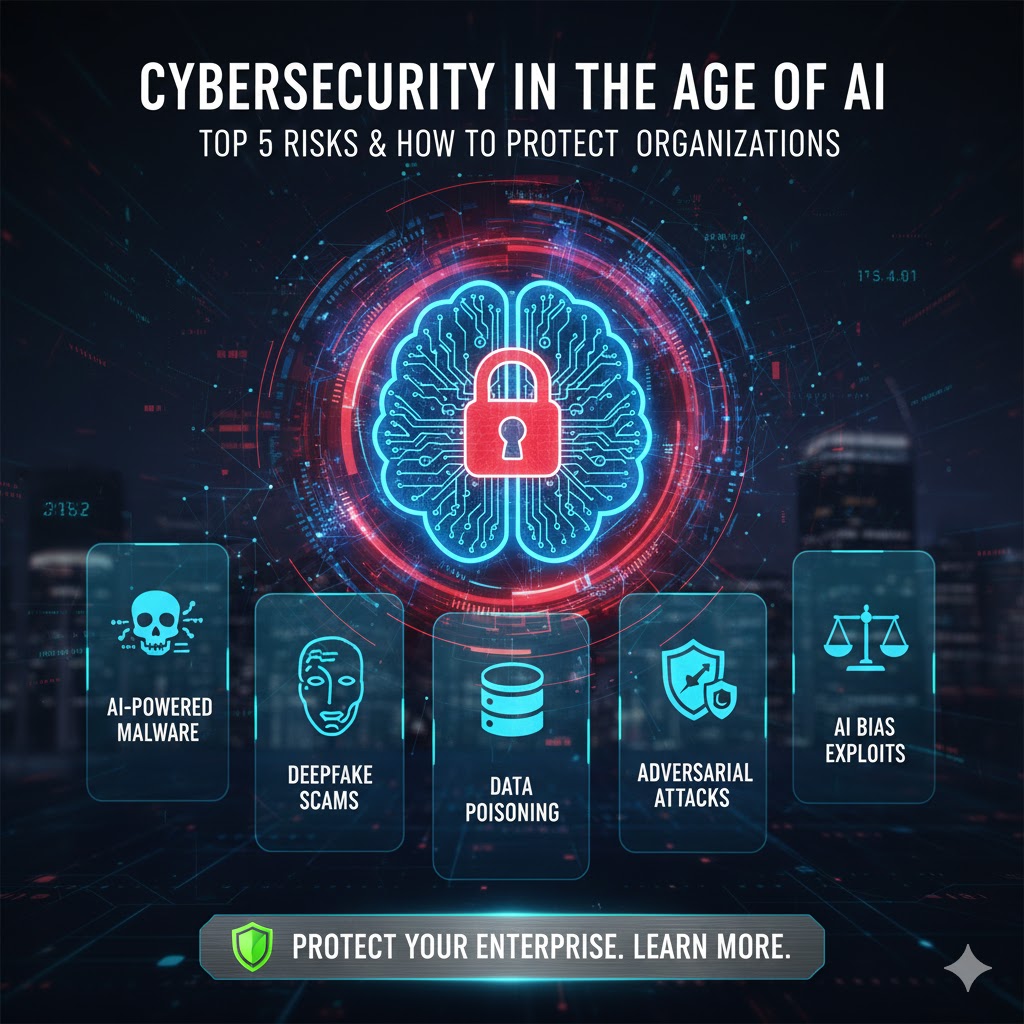
Amid the global race to adopt artificial intelligence technologies, warnings are growing about the dark side of these capabilities. A recent report [1] highlights the five most dangerous ways AI can be used against humanity, emphasizing that awareness of these risks is the first step toward the safe and positive use of the technology.
From Deepfakes to Automated Attacks… How Are AI Technologies Reshaping the Digital Risk Landscape?
Amid the global race to adopt artificial intelligence (AI) technologies, warnings are increasingly emerging about the dark side of these capabilities. A recent report [1] highlights the five most dangerous ways AI can be used against humanity, emphasizing that awareness of these risks is the first step toward the safe and positive use of the technology.
These risks extend beyond financial losses, impacting national security, social stability, and the mental health of individuals and institutions.
The Five Major Risks: From Fakeness to Bias
These capabilities, once confined to science fiction, are now real tools requiring high vigilance and strict governance. Intelligence agencies and global security experts have warned of the potential for these vulnerabilities to be exploited by extremist groups or hostile actors [2].
For entrepreneurs and training managers, understanding these risks is no longer an intellectual luxury, but a fundamental element in building a modern cybersecurity strategy. Organizations today are required to move from simply using artificial intelligence to consciously and systematically managing AI risks.
At STEMpire, we believe that practical training is the first line of defense. Therefore, we offer specialized programs designed to empower teams to identify, assess, and effectively manage risks within real-world work environments.
To learn how to protect your organization against the growing risks of AI, contact STEMpire.