Google Expands Gemini 3 Leadership and Moves Toward Ambient...
Jan 15, 2026

The Cyberspace Administration of China (CAC) has released draft regulations for artificial intelligence (AI) services capable of simulating human interaction, a move aimed at safeguarding national security and society and ensuring the ethical use of intelligent technologies. This development, announced on December 27, 2025, marks a turning point in how governments approach advanced AI and its interactive applications.

Regulation Focused on Transparency, User Protection, and Human Simulation
The Cyberspace Administration of China (CAC) has released draft regulations for artificial intelligence (AI) services capable of simulating human interaction, a move aimed at safeguarding national security and society and ensuring the ethical use of intelligent technologies. This development, announced on December 27, 2025, marks a turning point in how governments approach advanced AI and its interactive applications.
Scope of Censorship and Content Red Lines
The draft targets systems capable of simulating human personality traits, thought patterns, and emotional interactions through text, images, audio, or video. The regulations will be implemented within the territory of the People’s Republic of China, under the central supervision of the China Internet Information Office, with gradual local censorship based on the size and impact of each service.
The draft imposes mandatory security and ethics assessments on large-scale services and prohibits the use of sensitive data to train models without explicit consent. It also guarantees users the right to delete interaction data, with penalties ranging up to suspension or complete service termination for violations.
One of the comments accompanying the draft stated:
“Requiring AI service providers to be transparent and conduct security and ethical assessments is a crucial step towards building trust in these technologies. The future lies not only in the power of AI, but also in how responsibly we use it.”
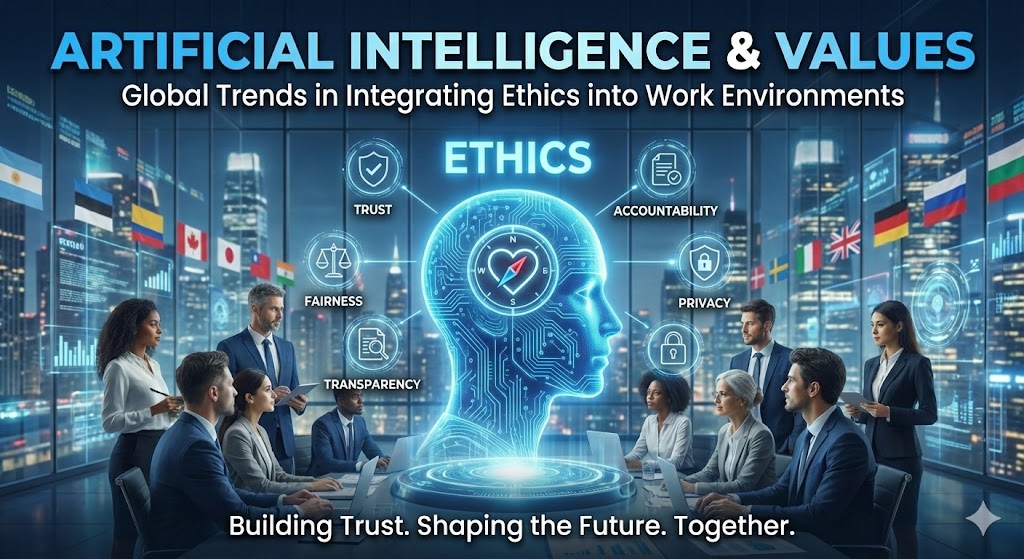
For entrepreneurs, training managers, and decision-makers in the region, these guidelines underscore that AI governance and ethics are no longer theoretical issues, but rather essential operational requirements. Organizations that adopt interactive intelligent systems are now required to place transparency, user protection, and risk management at the heart of their digital strategies.
At STEMpire, we see these global developments as an opportunity to enhance organizational readiness through practical training and tailored programs in AI governance, compliance, and digital ethics.